Caffeine and Kilos Caffeine and Kilos
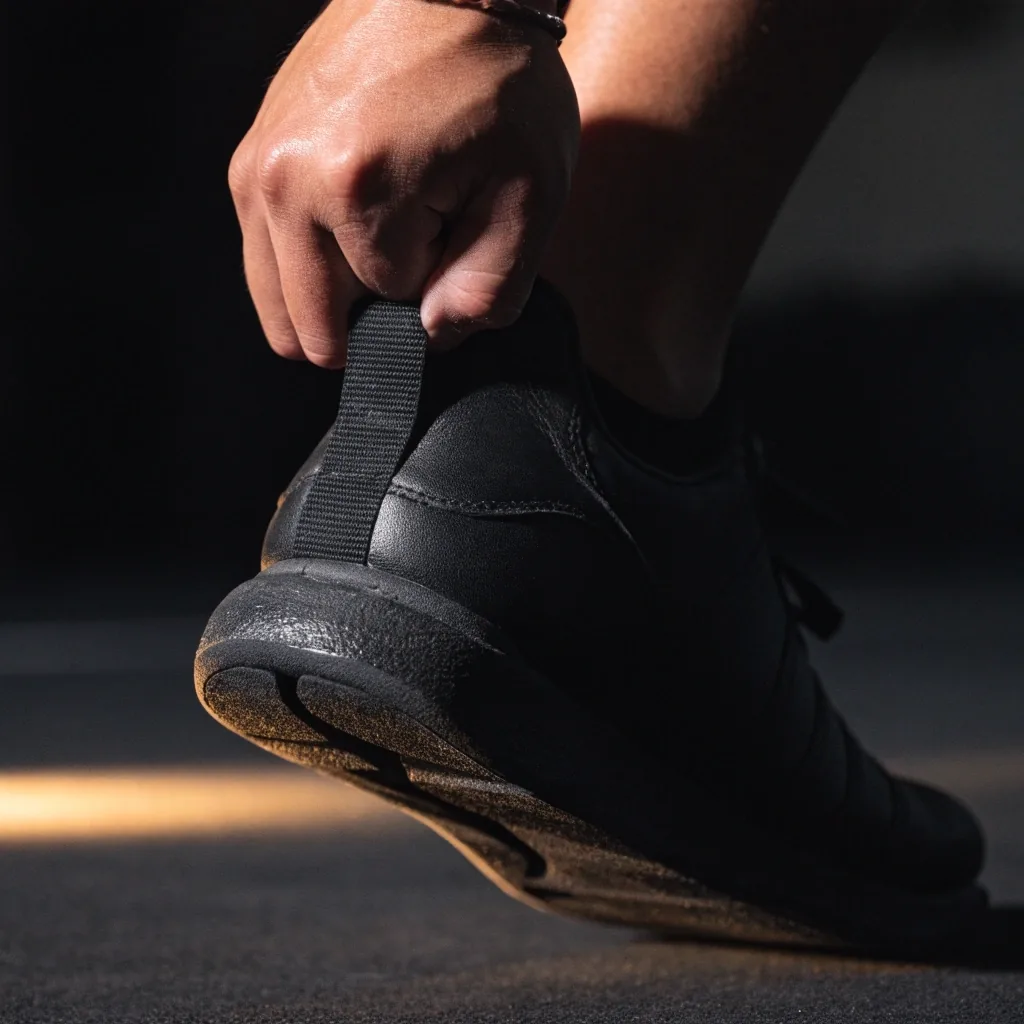
Weightlifting shoe angled on a slab in a dark training room

Training, nutrition and coffee routines

Training resources for strength athletes

Most lifting advice online is either too general to use or too complicated to follow. This section sits in the middle: practical strength training tips, athlete nutrition, and coffee routines you can apply to a normal week.

What these pages cover

Training · Nutrition · Coffee

Program review How to judge progression, volume and room to adjust.
Daily fuelling Protein spread across meals, carbs around heavy sessions.
Coffee timing Pick one window, keep it steady, watch the late cup.

Beginner programming

Where to start if you're new to lifting

The first months are about learning movement patterns, not chasing numbers. A simple structure works: squat, hinge, press, pull, and carry, done two or three times a week with weights you can control.

Add load gradually. The mistake beginners make most often is adding too much too fast, which leads to stalled progress or an injury. A program you can repeat beats a complicated one you can't stick to.

Write down the weight and the reps each session. Two weeks of notes tells you more about your progress than any app dashboard, and it makes the next small increase an obvious decision instead of a guess.

Ask us about a starting routine
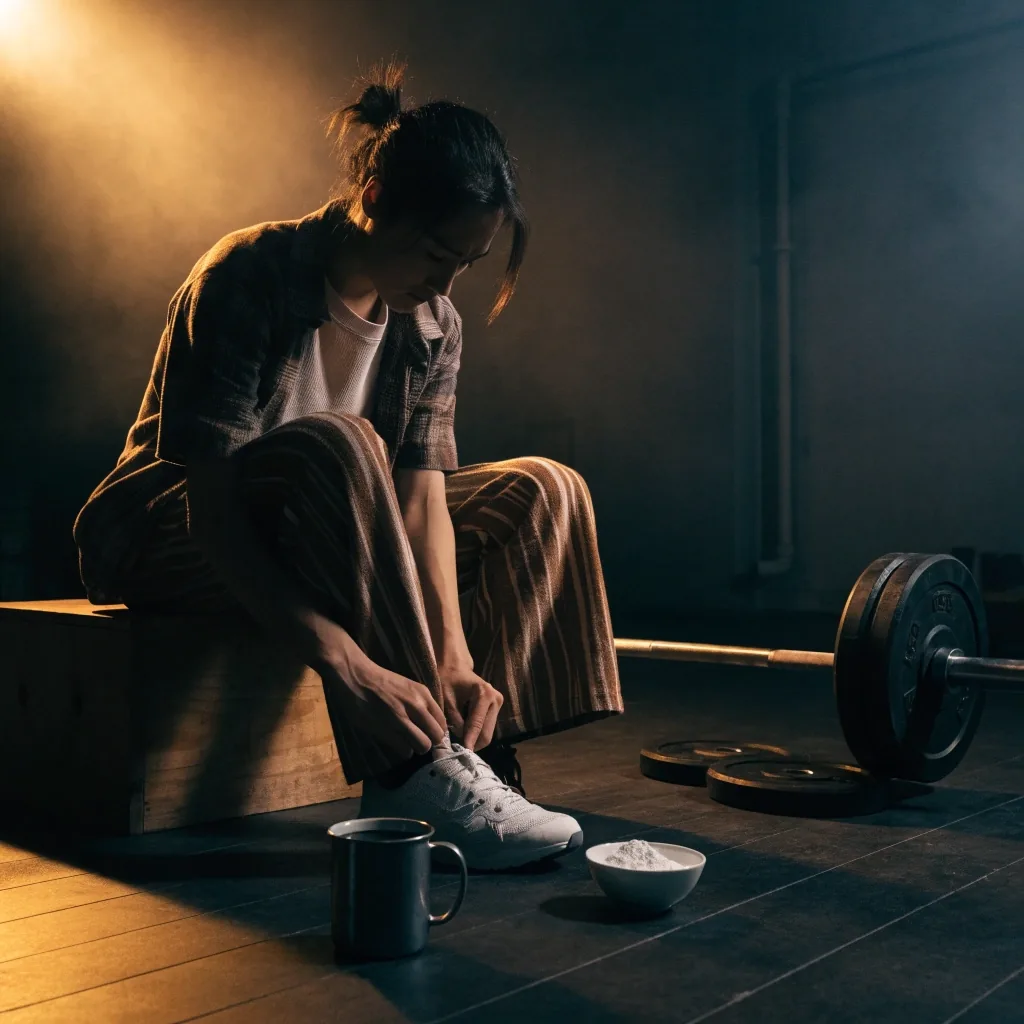
A beginner learning the squat setup with guidance in a dark training room

What makes a weightlifting shoe different

A weightlifting shoe has a raised heel and a firm, non-compressible sole. That combination changes your ankle angle and gives you a stable base under a squat or a clean.

Raised heel and firm sole of a weightlifting shoe under a single bulb

Raised heel, firm sole

A regular training sneaker

Built for general movement, with a softer sole that absorbs force. That is the opposite of what you want under a heavy bar.

Soft sole

Olympic lifting and back squats

With real weight on the bar, the shoe is one of the few pieces of gear that changes how the lift feels.

Stable base

General strength training

If you squat and deadlift in a mixed week, the shoe still helps more than any sleeve or belt you could add first.

Mixed week

Choosing apparel by training style

Different lifting styles ask different things of your clothing

Olympic lifting needs range of motion through the hips and shoulders, so stretch matters. Powerlifting is slower and more static, so fit around a belt and a bench matters more. General strength training sits between the two.

Knowing which one describes your week tells you what to prioritize when you're picking shorts, shirts, or leggings. It's a more useful filter than style alone.

Match the gear to the week

  • Olympic lifting Stretch through hip and shoulder range first.
  • Powerlifting Fit around a belt and a bench outranks stretch.
  • General strength A middle pair that handles both without complaint.

Coffee routine

Building a coffee routine around training

A coffee routine works best when it's consistent. If you drink a cup before training, keep the timing roughly the same so you know how it affects you. If you drink it after, that's fine too.

The one thing worth watching is late caffeine, since it can affect sleep, and sleep is where recovery happens. Pick a window, stick to it for a few weeks, and adjust based on how you feel. There's no universal answer here.

Before training

Keep the timing roughly the same so the effect is predictable. Change one thing at a time and give it a couple of weeks before you judge it.

Steady

After training

An afternoon cup is a reasonable default. It stays well clear of the hours that matter most for sleep.

Daylight

Late caffeine

The one habit worth watching. If your training has stalled and nothing else changed, sleep and stress are the first places to look.

Watch it
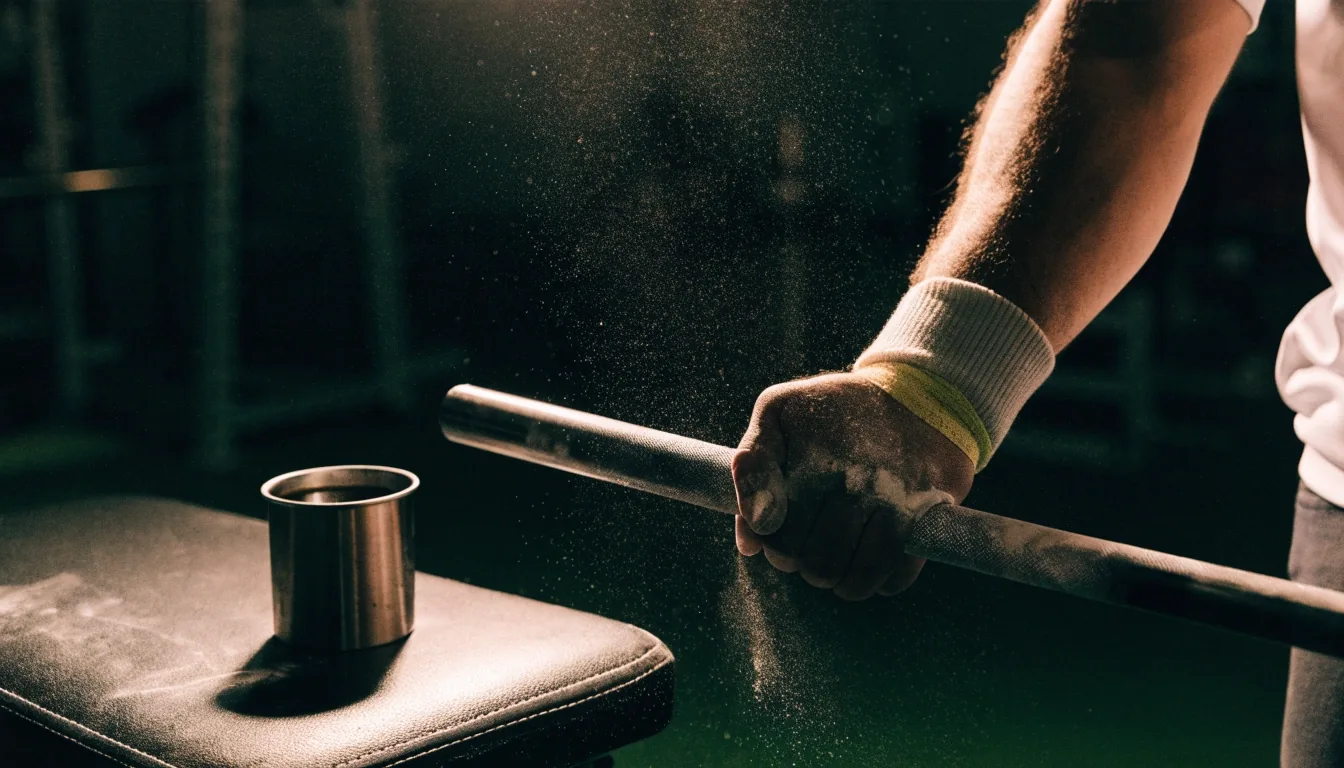
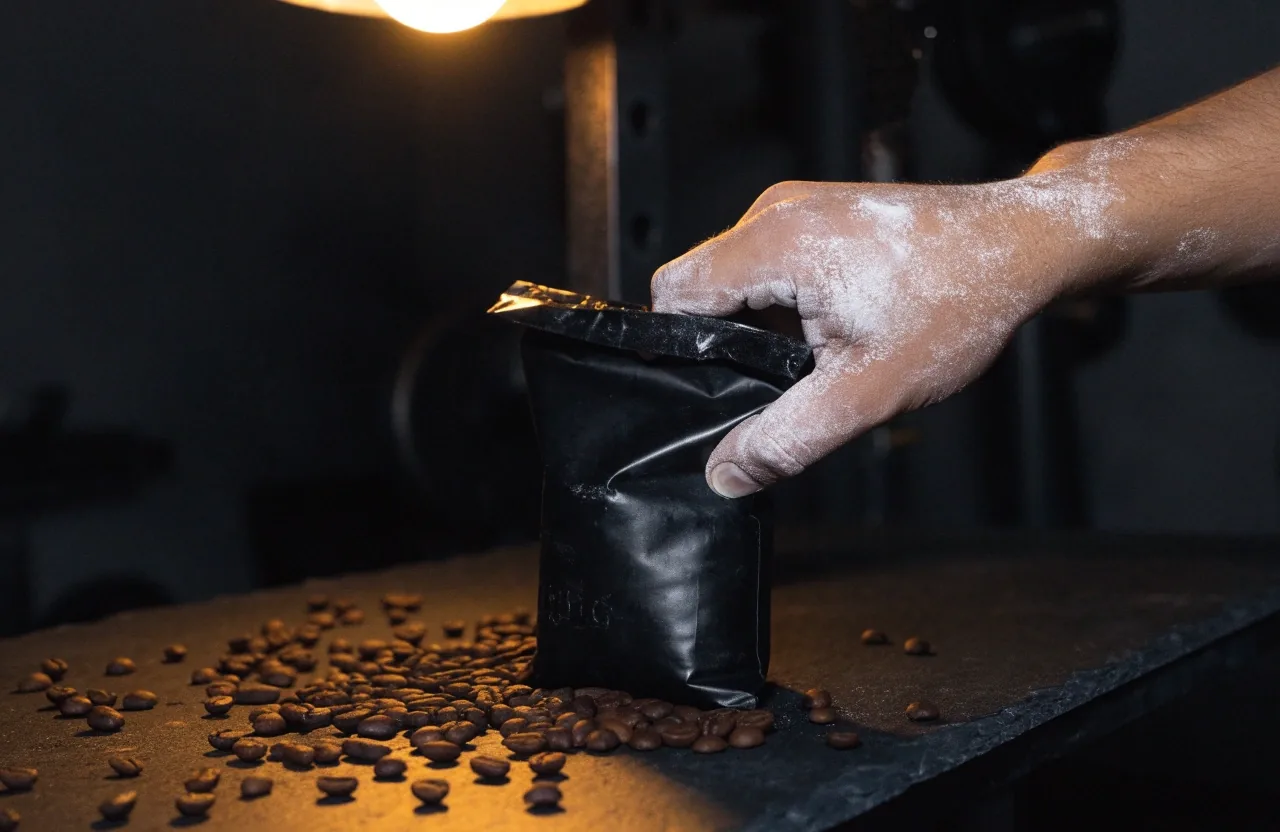
Coffee bag fold and slab edge in focus under a single bulb

Reading the bag

Reading coffee labels without the marketing

Coffee packaging borrows a lot of supplement language these days. Prime Roast Coffee, for example, sells a protein coffee concept, which reflects how far the category has moved toward functional nutrition framing. That's a real product category, and it's not the same as a standard roast.

When you read a coffee label, look at origin, roast level, and grind. Those three things tell you what you're getting. The rest is often positioning, and it's worth knowing the difference.

See the roasts we carry

Everyday fuelling

Nutrition basics for strength work

Protein supports muscle repair, so most lifters aim for a consistent amount across the day rather than one large serving. Carbohydrates fuel heavy sessions, and cutting them too aggressively tends to hurt training quality. Fat and fiber matter for general health.

You don't need a complicated plan. Eating enough total food, with protein spread across meals, covers most of what strength training requires. Supplements are optional, not the foundation.

Recovery first

Recovery, sleep, and why they matter more than gear

No piece of apparel or cup of coffee replaces recovery. Muscles adapt during rest, not during the session, and sleep is the biggest lever you have. Most people need more of it than they get.

Gear and coffee support the routine. They don't carry it. Being clear about that saves you from buying your way around a problem that isn't about equipment.

Training gear worth owning, and what to skip

A few things genuinely change your training: a good barbell, a solid pair of weightlifting shoes, and clothing that doesn't fail mid-session.

The Rogue Ohio Bar is one of the most recognized barbells in strength training, and it's a common reference point for a reason. Beyond the essentials, gear gets optional fast. Buy what solves a problem you actually have.

A good barbell

The single piece of equipment you touch every session. Knurling, spin, and straightness matter more than the finish.

Weightlifting shoes

The one item that visibly changes squat and clean mechanics. Buy them before belts or sleeves.

Belts, straps and sleeves

Useful in specific situations. They help a lift, but they don't replace technique or consistency.

The rest

Optional quickly. If a purchase doesn't answer a problem you already have, it isn't gear, it's shopping.

How to judge a training program

A program is only as good as your ability to run it. Look for clear progression, reasonable volume for your experience level, and room to adjust when life gets in the way.

If a plan requires six days a week and you can train three, it's not your program. Consistency over months beats intensity over weeks. That's true for beginners and for people who've been lifting for a decade.

When to change your routine

Change when progress stalls for several weeks, when you're bored enough to skip sessions, or when your goals shift. Don't change because a new program appeared online.

Most plateaus are solved with small adjustments: more sleep, more food, or a slight change in volume, not a total overhaul. Give a program enough time to work before you replace it.

Written for people who train with weights, from a first routine to a program you have run for years.

Questions we get about the resources

Short answers to the things people ask before they start reading. If your question isn't here, write to us and we'll answer it plainly.

Contact us
Do I need a coach to use these resources?

No. The pieces here are written to be used on your own. A coach is useful once you have a specific problem to solve, but you can build a repeatable week from these pages first.

Does coffee before training actually help?

People respond differently, and the honest answer is that consistency matters more than the exact minute you drink it. Keep the timing steady for a few weeks and judge it on your own training, not on a label claim.

How long should I run one program?

Long enough to see whether it is working. Several weeks of stalled progress is the signal to adjust, not a new plan every month. Change one variable and give it time to show up.

Are supplements part of these recommendations?

They are optional, not the foundation. Food first, then protein spread across meals. Anything beyond that is a personal decision, and it does not replace training consistency or sleep.

Read the rest, or ask us directly

The resources here stay on this page. If you want to know which roast fits your routine, which apparel suits the way you train, or how to get started, we answer email and the phone during business hours.

Monday to Friday 7:00 AM – 6:00 PM, Saturday 8:00 AM – 4:00 PM, closed Sunday. 1420 S Main St, Los Angeles, CA 90015.