 Medium Roast · Whole Bean
Coffee for strength athletes
Coffee built for a training routine
Coffee is the simplest part of a training day and the easiest to get wrong. Our coffee is roasted for people who drink it around training: before, after, or both, depending on the day.
What this page covers
This page covers what we roast, how to brew it, and how to pick a bag that fits how you actually make coffee at home.
A bad cup before a session is a distraction. A good one is just there, doing its job, and you stop thinking about it. Everything below is written for the person who drinks coffee around lifting — not around a cupping table.
Jump to the roast profiles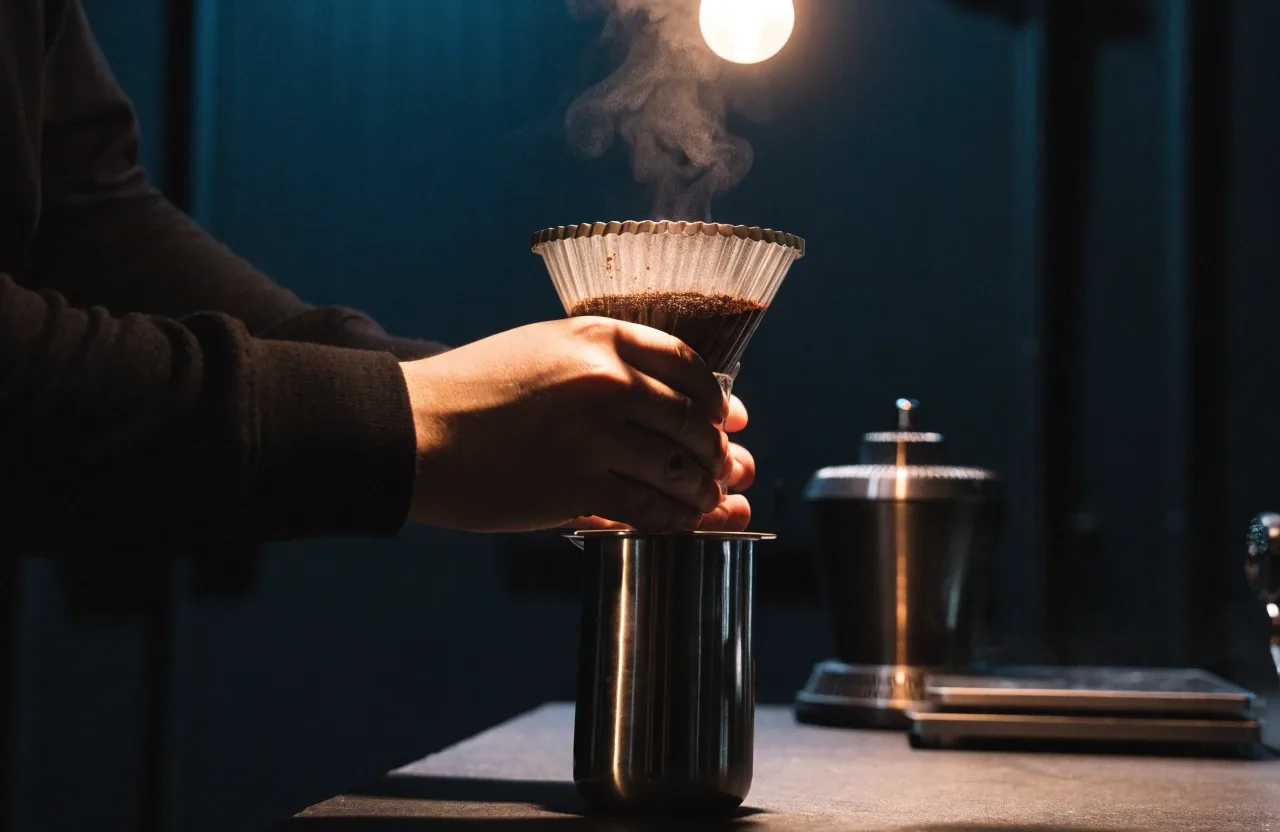
The tolerance band
A standard cup's caffeine content varies with the bean, the roast, and how you brew it — so we publish what is in the bag, not a number we cannot stand behind for every setup.
Bag sizes12 oz · 2 lb
Roast levelsLight · Medium · Dark
Grind optionsWhole bean · Drip · Espresso
What coffee for athletes means here
It doesn't mean a supplement. It means a roast that's consistent, tastes good black, and works with the schedule of someone who trains. That's the whole standard. We don't add anything to the beans and we don't make claims about performance.
What we do is pick roast profiles that hold up to common brewing methods and give you a cup you can rely on. If you already drink coffee daily, this is the same thing, just chosen with training in mind. Strength training coffee is not a different drink — it is the same drink, matched to a routine you can actually repeat.
Nothing added to the beans
No blend-ins, no flavor additives, no functional-nutrition label. A roast and a bag.
No performance claims
We will not tell you a bag of coffee will make you lift more. We will tell you how it is roasted.
Brew-method first
Profiles are chosen for how people actually brew at home, not for a tasting panel.
Roast profiles and what each one does
 Featured roast
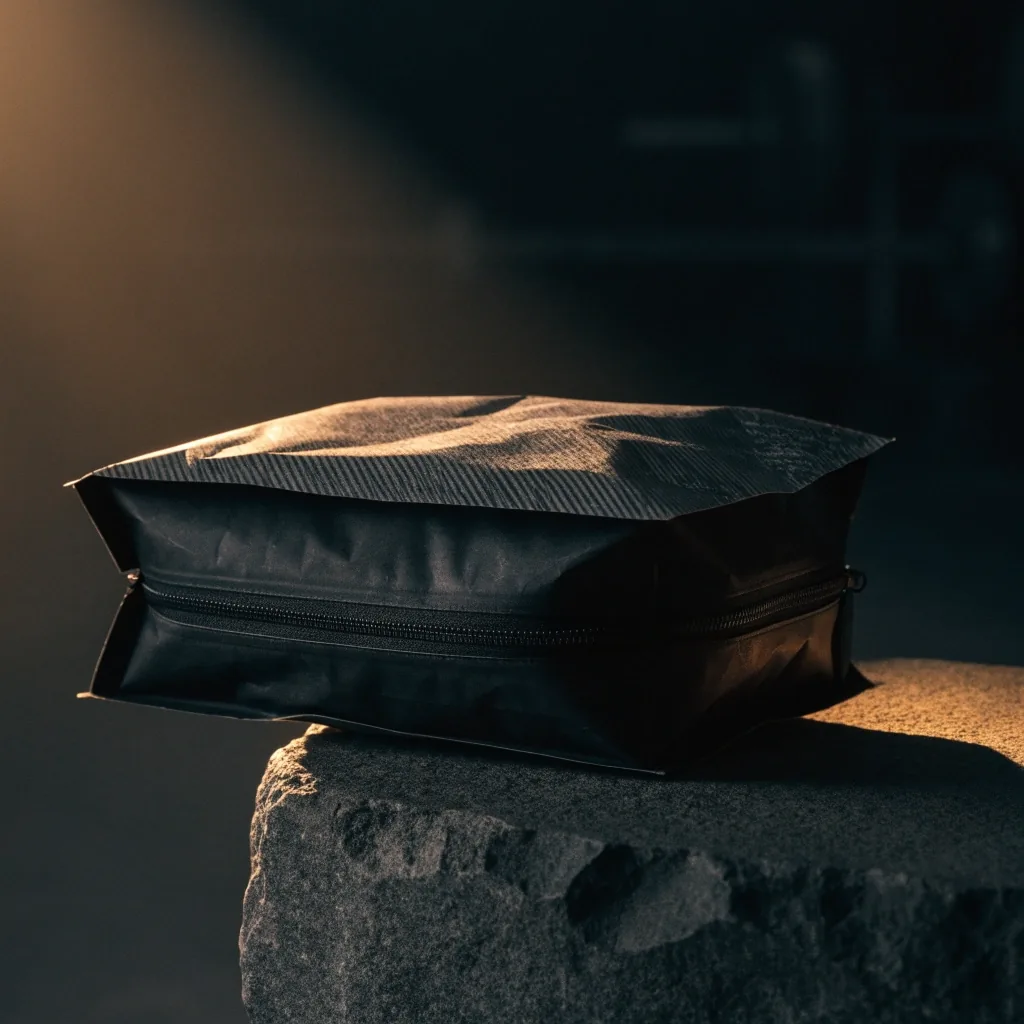
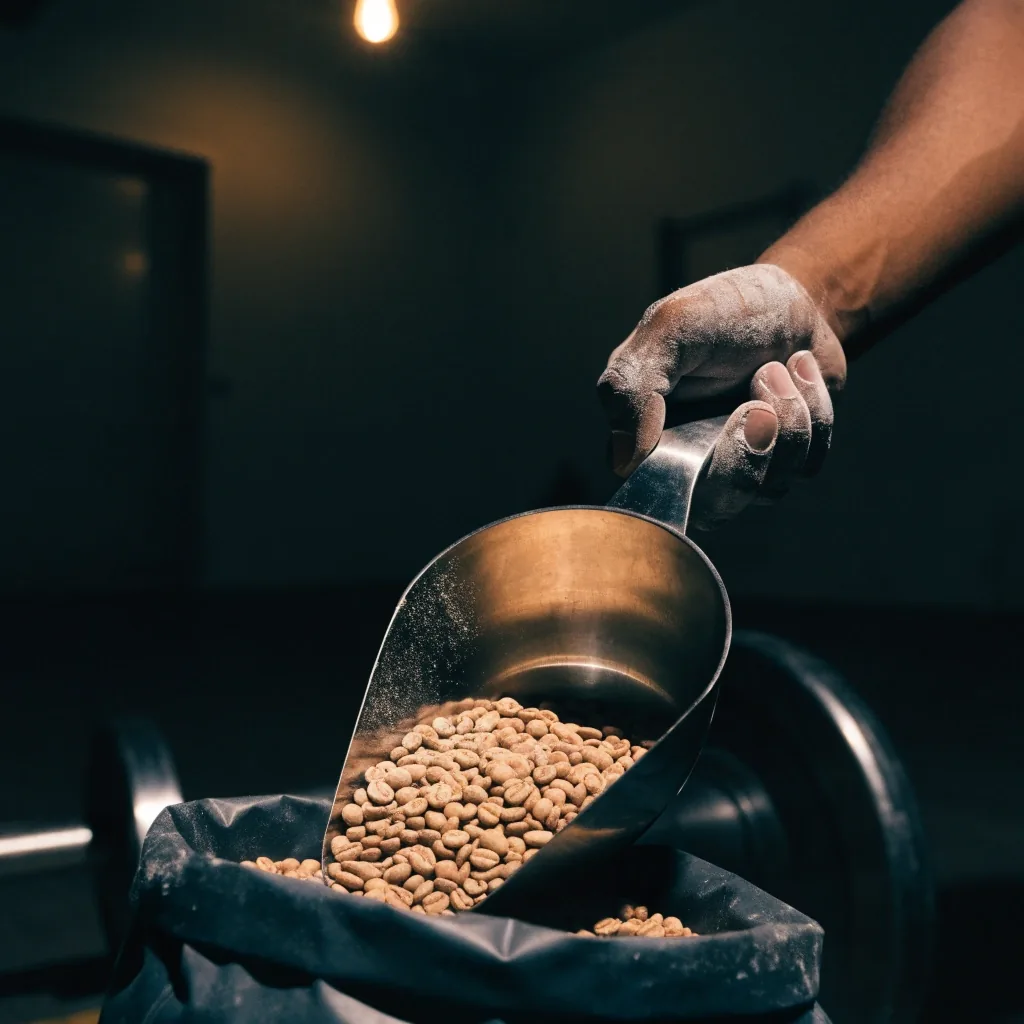
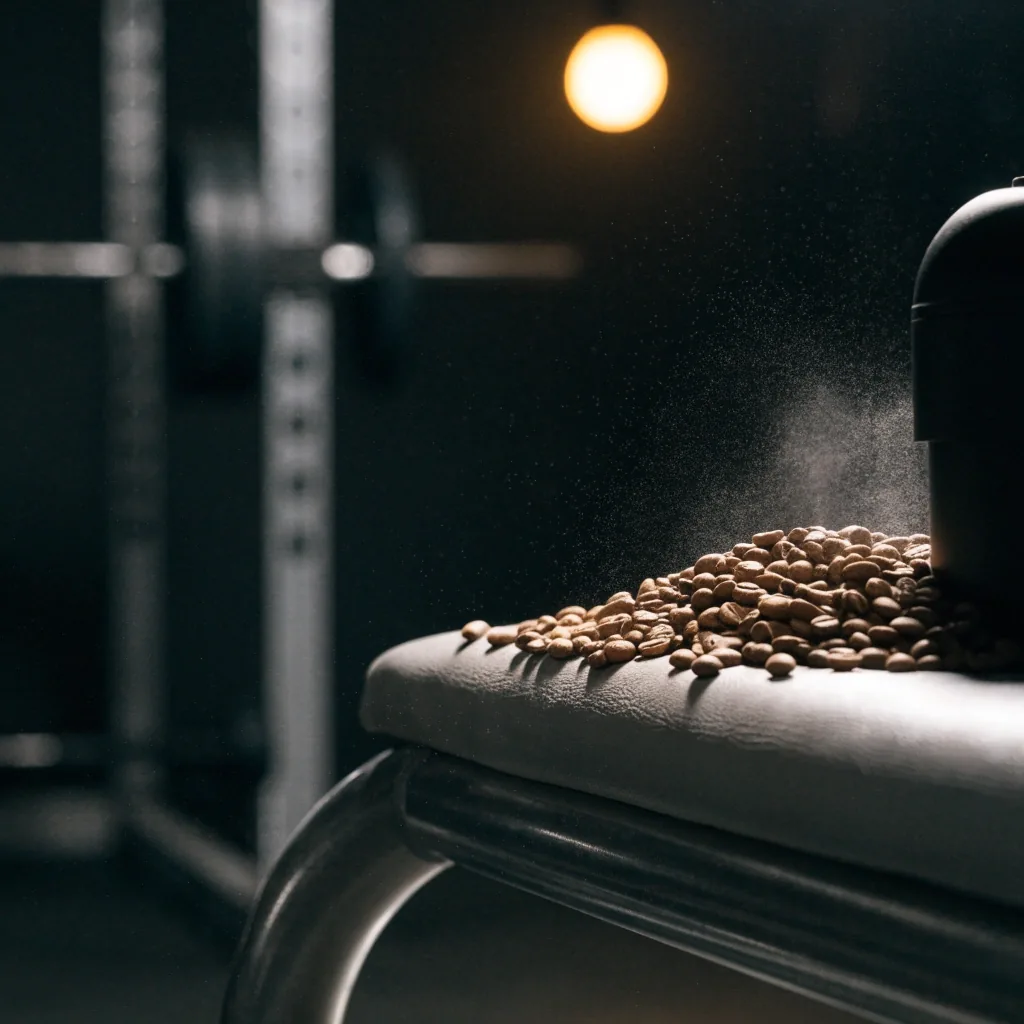
The bag in the frame is the medium — the safest pick if you are not sure, and the one we send people to first.
Light roast
Pour-over · DripKeeps more of the origin character: brighter acidity, more noticeable fruit or floral notes. A longer extraction pulls those flavors forward.
Medium roast
Any methodSits between the two and is the most forgiving across brewing methods. If you are buying your first bag from us, start here.
Dark roast
Drip · EspressoHeavier and more consistent, which makes it forgiving if your grind is uneven or your machine runs hot.
None of these are better than the others. They just behave differently in the cup.
Before you train
Brewing for a pre-workout cup
If you drink coffee before training, timing matters more than technique. A drip machine is fine. A pour-over is fine. What you want is a cup you can make without thinking at an hour when thinking is hard.
Keep the grind consistent with your method, use water just off the boil, and don't overthink the ratio on a training day. The point is to have the cup ready when you need it, not to win a competition. Pre-workout coffee is a schedule problem before it is a recipe problem.
After you train
The post-session cup is a different thing
You have more time, and you're probably not chasing a start time. This is where a lighter roast and a slower brew method pay off, because you'll actually notice the difference.
One thing worth knowing
If you train in the evening, keep in mind that caffeine stays in your system for hours. A late cup can affect how you sleep, and sleep is part of recovery. That's not a rule, just something worth knowing.
Grind, storage, and the basics people skip
Two things ruin more coffee than anything else: a stale grind and a bag left open. These aren't coffee-snob rules. They're the difference between a cup that tastes like what you paid for and one that doesn't.
Whole bean or pre-ground?
If you buy whole bean, grind close to when you brew. If you buy pre-ground, keep the bag sealed and out of the light. Both work — the timing of the grind is what changes.
Do I need an expensive container?
No. A simple airtight container helps more than an expensive upgrade. Get the bag closed, keep it out of direct light, and you have solved most of the problem.
How much caffeine is in a cup?
It depends on the bean, the roast, and how you brew, so any single number is misleading. A general range for a standard cup is often cited, but your actual intake varies with dose and method. If you're sensitive to caffeine or you train late, pay attention to how you feel and adjust.
Is this a supplement?
No. We stay on the coffee side. You get a roast, not a promise. The fitness market has pushed coffee toward supplement-style products — protein coffee concepts, functional-nutrition language — and there's a place for that, and there are limits. Once coffee is positioned as a performance product, it invites claims that don't hold up.
Choosing your first bag
Start with a medium roast if you're unsure. Buy one bag, brew it the way you normally brew, and see how it fits your routine. Then adjust.
If you are not sure
Medium roast
The most forgiving across brewing methods and the least likely to surprise you.
If you like bright coffee
Light roast
Acidic, fruit-forward, and best in a pour-over or drip where a longer extraction pulls those flavors out.
If you like it heavy
Dark roast
Heavier and more consistent in the cup, and the most forgiving if your grind or machine is inconsistent.
The long view
Where coffee fits in a training week
Most people settle into a pattern within a couple of weeks. Some drink it before every session. Some only on heavy days. Some drink it in the morning and train in the afternoon. There's no correct arrangement, and we're not going to prescribe one.
The useful thing is to notice what works for you and keep it consistent. A routine you can repeat beats a perfect plan you abandon.
Bag sizes, roast levels and grind options are listed on each bag.