 Training apparel
Built for the bar, worn all week
Lifting apparel that holds up under the bar
Gymwear gets tested fast: a shirt under a bar four days a week, shorts in a squat rack, leggings taking chalk, sweat and repeat washes. This page covers what each piece is made for, how the fits run, and what to check before you order.
Why gymwear fails
What makes training apparel different
Regular activewear is designed for movement in general. Lifting apparel is designed for movement under load, which is a narrower problem. A shirt has to allow an overhead press without pulling at the shoulder seam. Shorts have to stay put through a deep squat. Leggings have to stretch without going see-through when you hinge at the hip.
Those are specific demands, and they are why a piece that works in a spin class can fail in a squat rack. Weightlifting clothes earn their place through repeated sessions, not through how they look on a hanger.
What we list on every piece — hover to compare
Fabrics and what they do
You do not need all three properties in every piece, but you should know which ones you are paying for and why.
Moisture-wicking fabric
Moves sweat away from your skin instead of holding it, which matters more during a long session than a short one. It is the first thing to look for if you train for an hour or more.
Stretch fabrics
Let you reach full range of motion without the garment fighting you. On shorts and leggings this is the difference between a squat that feels free and one where you are tugging at the hem.
Reinforced stitching
Keeps seams from failing where a belt or a bar rubs. Stress points are predictable: shoulder seams, side hems, and the waistband on anything you pull from the floor in.
Shirts, shorts and how they are cut
Shirts for pressing and pulling
A training shirt has to survive an overhead press and a heavy row, and those pull on the fabric in opposite directions. Look for a cut that gives you room through the chest and shoulders without hanging loose at the waist. If you train in a belt, check that the hem does not bunch under it.
Fit notes — chest and shoulder room, hem under belt
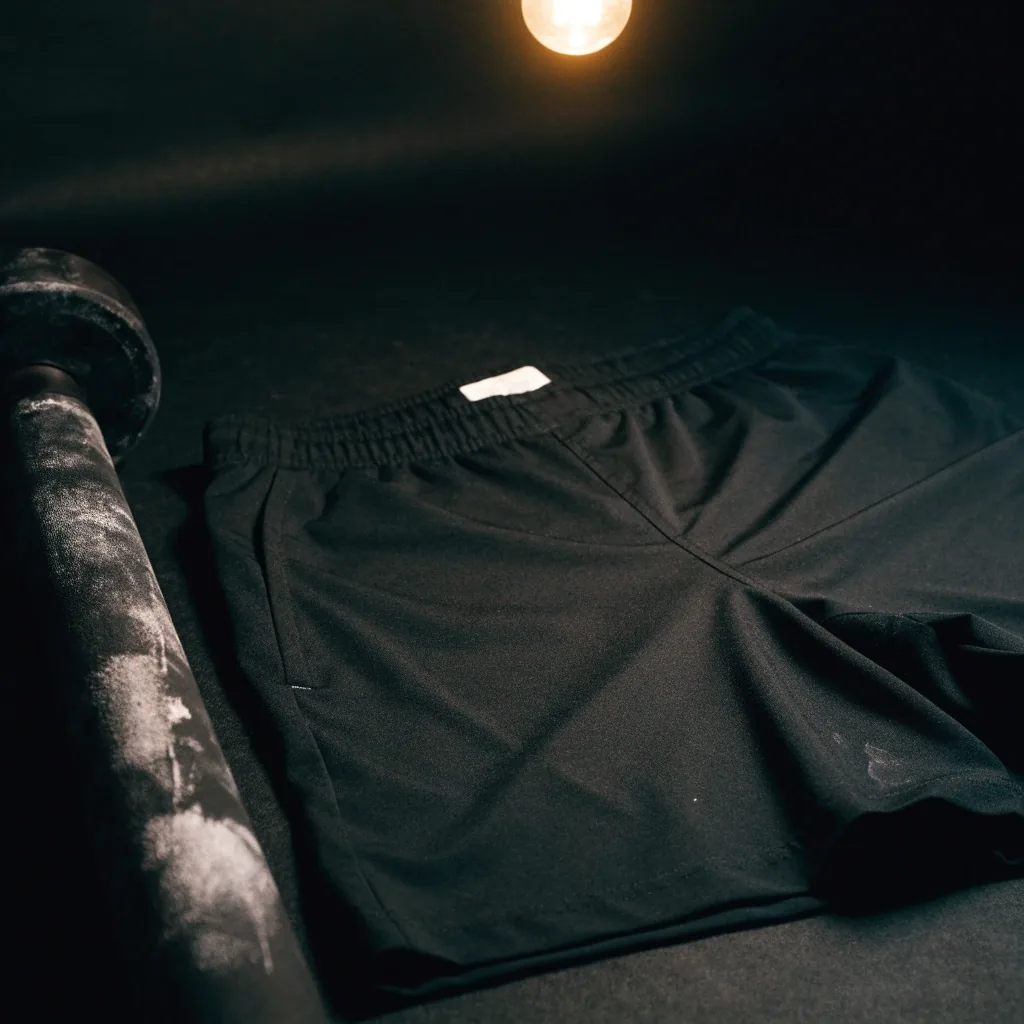
Shorts for squatting and pulling
Shorts fail in two ways: they ride up during a squat, or the waistband shifts under a belt. Look at the inseam length, since that changes how the shorts sit during a deep squat, and check whether the fabric stretches. Pulling heavy from the floor, a shorter stretchier short usually works better than a loose one that catches on your setup.
Fit notes — inseam length, stretch, waistband under belt
Opacity and rise
Leggings and fit for lifting
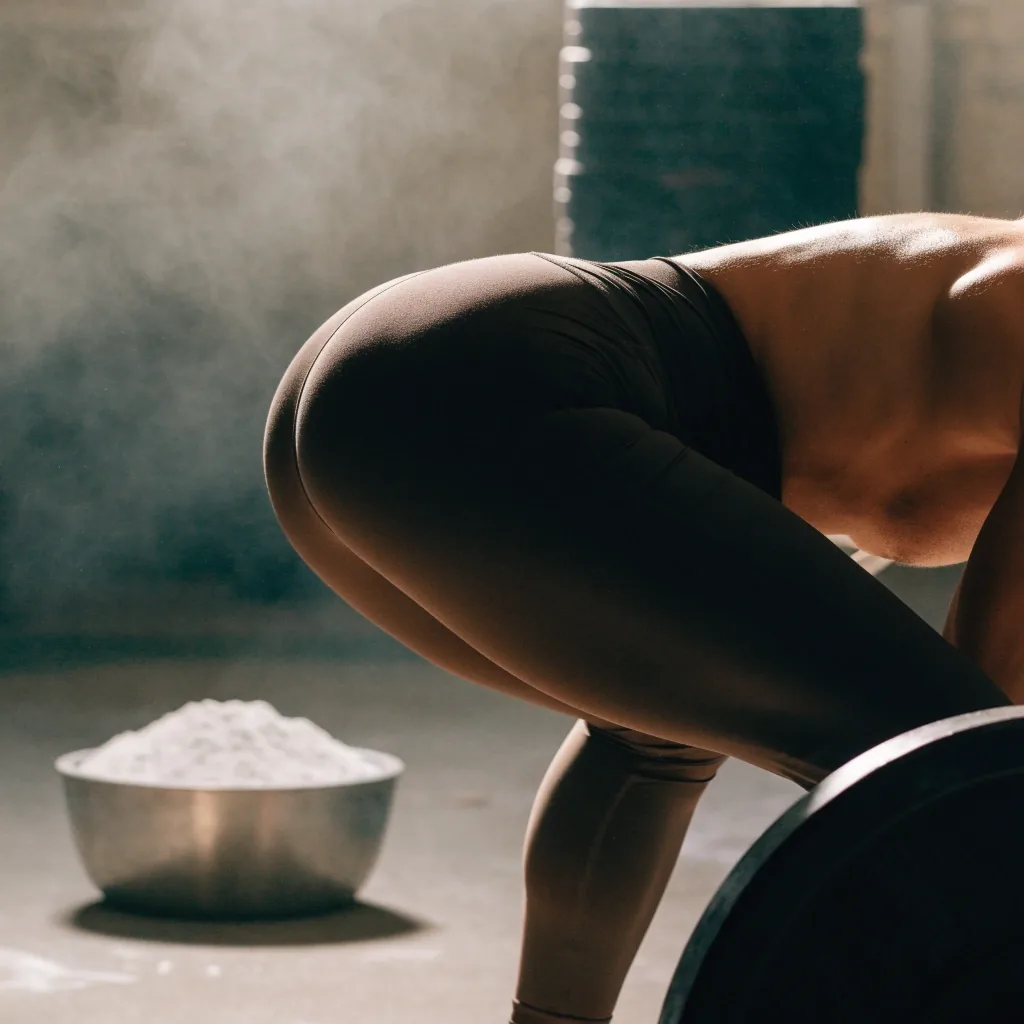
Leggings get judged harshly in a gym, and fairly so. The two things that matter are opacity under stretch and whether the waistband stays put when you hinge. A fabric that goes sheer at the hip during a deadlift is not worth the price, no matter how it fits standing still.
Check the fit notes for the stretch rating and the rise, and size based on the movement you will actually do in them. If you train mostly on a bench or a bike, the demands are lighter than a full deadlift session.
How our fits run
Lifting apparel tends to run differently from street clothing, especially through the chest, shoulders and thighs. If you are between sizes and you train in a belt, sizing up is usually the safer call. If you want a closer fit for range of motion, stay with your usual size but check the stretch notes first.
How to compare
We list the details on each product so you can compare against something you already own. Measure a shirt that fits the way you want and match it against the numbers on the page — that is more reliable than guessing from a size label.
Contact usWhat separates real gymwear from average picks
A lot of apparel looks the part and quits early. The difference usually comes down to construction: stitching where the garment actually gets stressed, fabric that wicks instead of soaking, and a cut that follows how a body moves under a barbell.
You can feel it in the first session. A shirt that pulls at the shoulder during a press will not last long, no matter how it looks on a hanger. Weightlifting clothes earn their place through repeated use, and that is the standard we hold our own line to.
Building a rotation
You do not need a full wardrobe. Most people do fine with two or three training shirts, a couple pairs of shorts, and one set of leggings or a second short. That is enough to get through a training week without doing laundry every day.
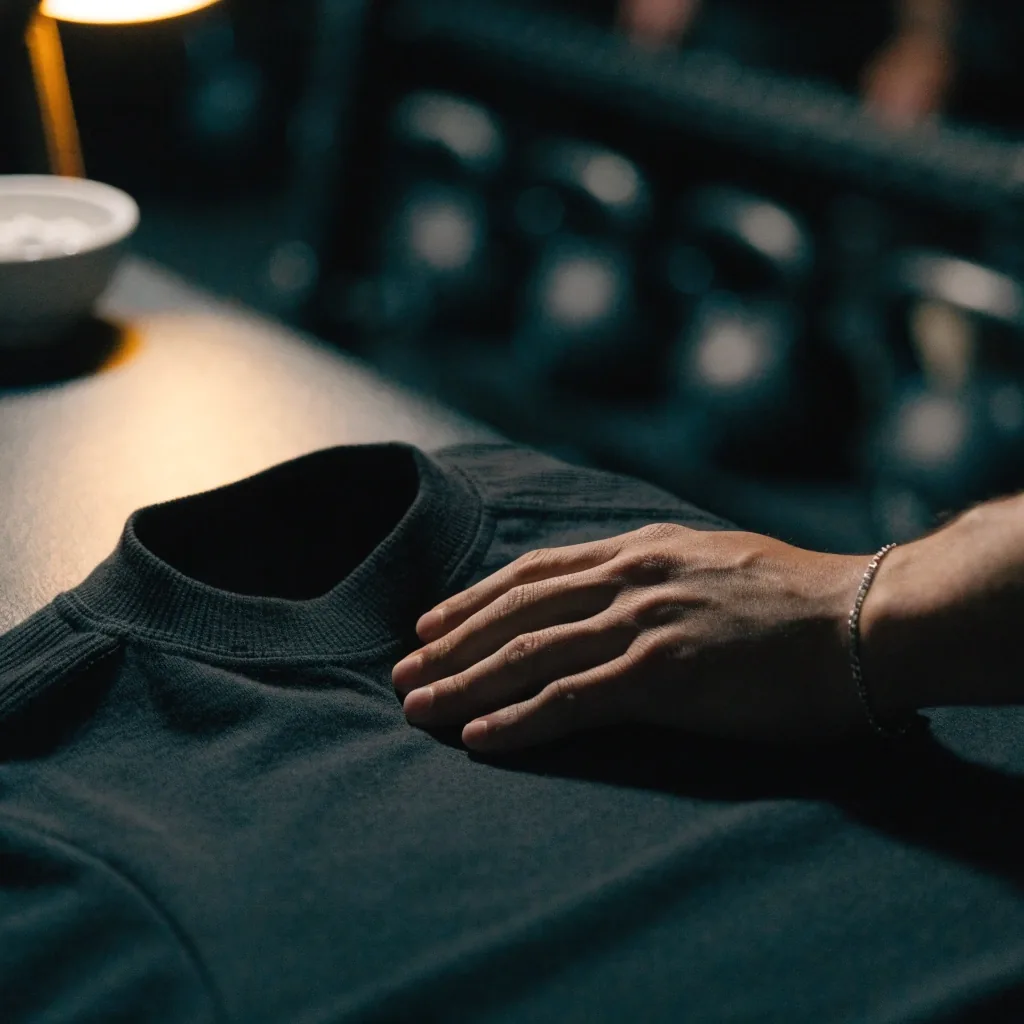
Training shirts
Two or three in rotation
One for pressing days, one for pulling days, one clean and dry. That covers a full training week.
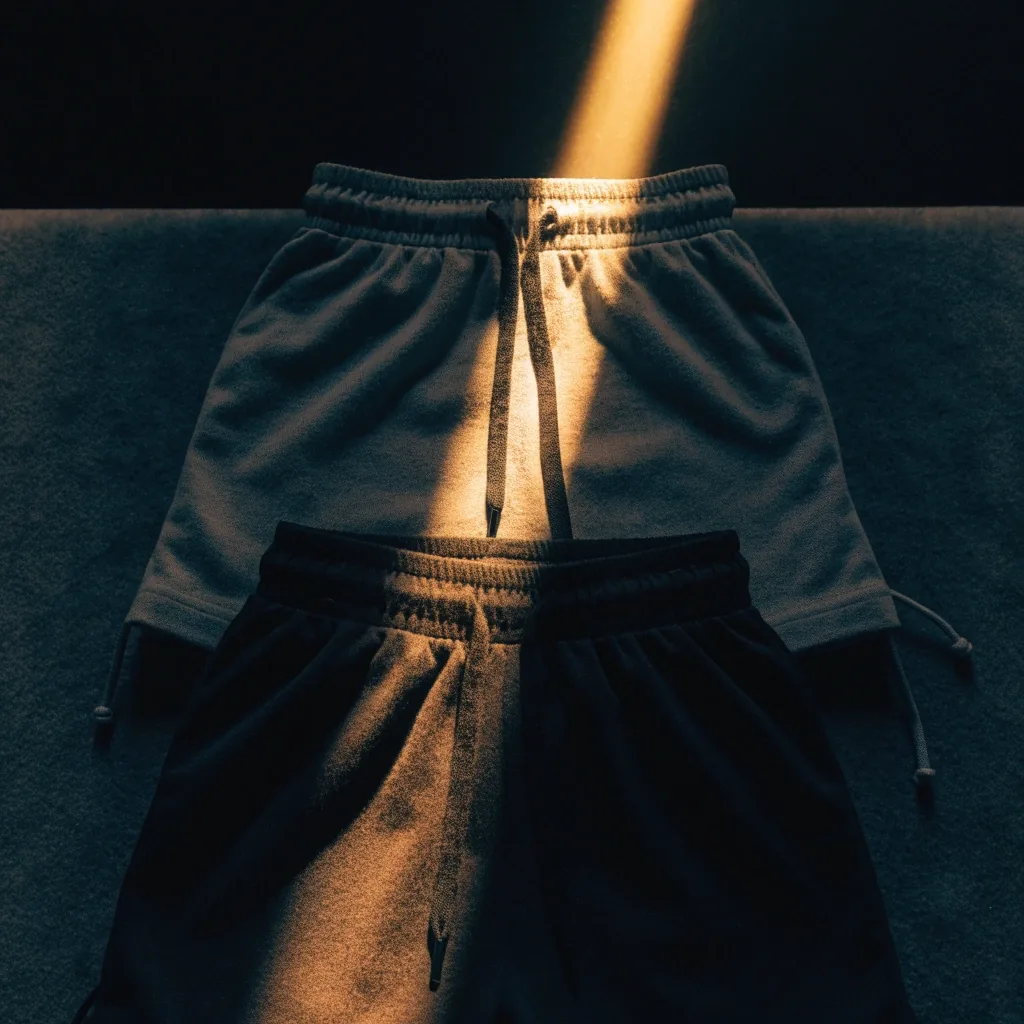
Training shorts
Two pairs, one longer one shorter
A stretchier short for pulling from the floor, a longer pair for everything else.
Leggings or a second short
One set is enough to start
Size based on the movement you will do in them, then check the stretch rating.
Add pieces over time
Buy what you actually reach for
Add as you figure out what you reach for. The best purchase is the one you wear until it wears out.
Caring for training apparel
Wash it, do not baby it, but do it right. Cold water and a normal cycle are fine for most technical fabrics. Skip the fabric softener, since it coats the fibers and reduces how well they wick. Air dry when you can, especially for pieces with stretch, because heat breaks down elastane over time.
Do that and a good piece of gymwear will last through a lot of sessions. Neglect it and even well-made apparel wears out early — usually at the seams and the waistband, which are the first things to go on any garment you train in.
How the market approaches this
The serious end of the category tends to agree on a few things. Ten Thousand emphasizes athlete testing across strength training and powerlifting, and its shorts lineup includes options aimed at weight lifting. Born Primitive carries a rugged, performance-minded reputation in functional fitness and strength circles.
Rogue Fitness came from equipment first, so its apparel credibility follows from durability rather than fashion. Barbell Apparel built its whole point of difference around fit for athletic builds. Those are the standards we measure against, and we take the functional parts of each.
Athleisure versus lifting apparel
Mobility and flexibility work
Premium athleisure brands like Alo come up often here, and they are good at what they do. If your training is mostly stretching, yoga and general movement, that category works fine.
Barbell work under load
If you are under a bar with real weight, you want a garment designed for that load: stretch that holds opacity, a waistband that stays put, and seams that survive a belt.
Picking for your week
The two are not competing so much as serving different jobs. Know which one your training day actually needs, and buy for that day rather than for the label.
Ordering questions
Short answers to what comes up most before someone buys a first piece of lifting apparel.
Should I size up in training apparel?
If you are between sizes and you train in a belt, sizing up is usually the safer call. Lifting apparel tends to run differently from street clothing through the chest, shoulders and thighs, so compare the listed numbers against a garment you already own.
How do I check leggings will not go see-through?
Read the stretch rating and the rise in the fit notes, then think about the movement you will actually do. A deadlift setup puts more stress across the hip than a bench session, so size and choose for the harder day, not the easier one.
How should I wash technical fabrics?
Cold water and a normal cycle are fine for most technical fabrics. Skip the fabric softener because it coats the fibers and reduces how well they wick. Air dry pieces with stretch so heat does not break down the elastane.
Do you take wholesale inquiries?
Yes. Gyms, teams and shops can get in touch through the contact page with what you are after and roughly how many pieces you need. We will come back with what is available and how ordering works.
Next step from here
Browse the apparel line, read the training resources if you want help planning around your sessions, or get in touch with questions about sizing, orders or wholesale.