House roast
Heavyweight training fleece
Coffee and apparel, Los Angeles
Two product lines built around one routine: a roast you drink before or after training, and gymwear cut for shoulders, hips and thighs that regular fit clothing tends to ignore.
What we make
Coffee roasted for training days, apparel cut for barbell work
Two lines, no filler
Roast options: filter, pour-over and espresso setups
Fit notes: chest, shoulder and thigh measures listed per piece
Wholesale: available for gyms and coffee programs
Two product lines, no filler. The coffee side is roasted for people who drink it before or after training, not as a dessert. The apparel side is cut for shoulders, hips and thighs that regular fit clothing tends to ignore. If you came looking for a lifestyle brand with twelve categories, you will be disappointed, and that is fine. We would rather do coffee and gymwear properly than do everything badly.
House roast
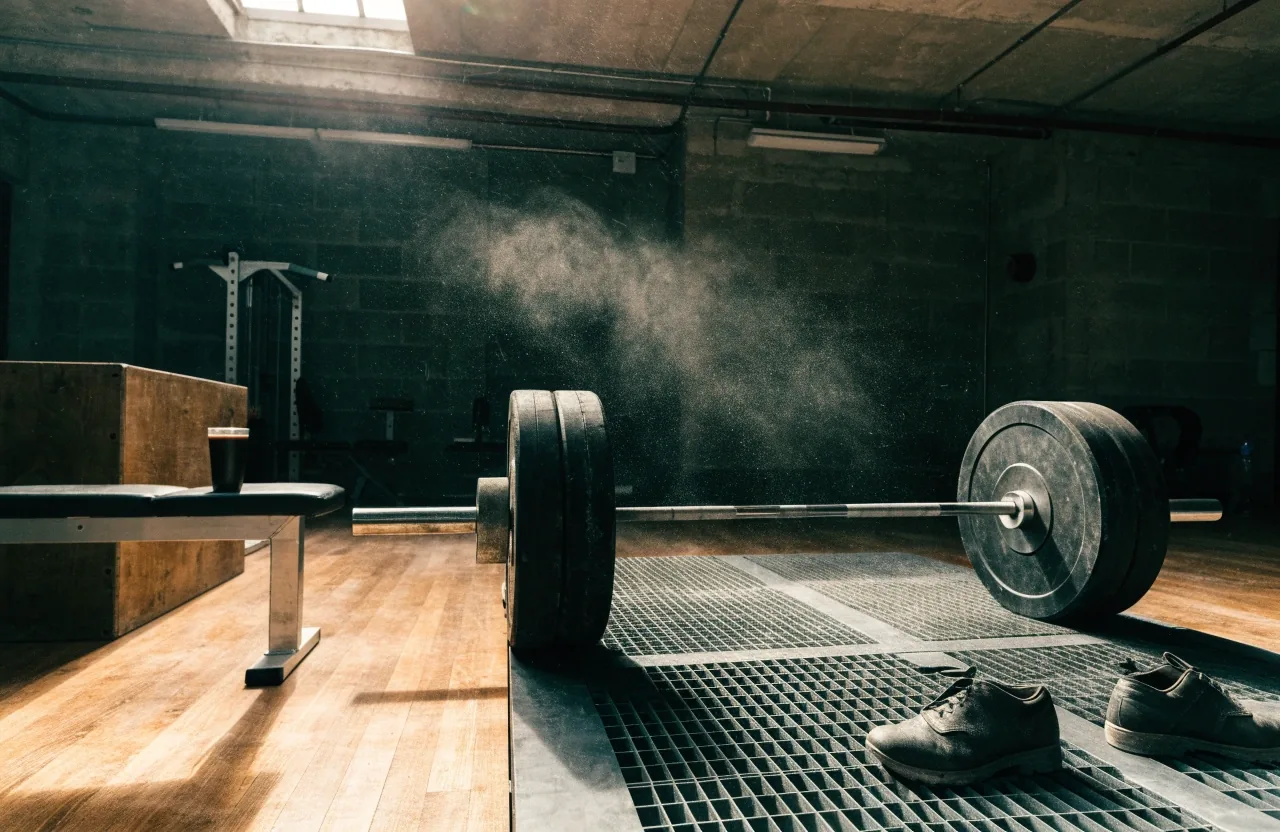
Coffee as a pre-workout ritual
Most people who lift already drink coffee. The question is whether the cup you drink at 6 a.m. is the one you want 45 minutes before a heavy set.
Our roasts are built for that slot in the day: a consistent grind, a flavor profile that holds up black, and enough caffeine to matter without turning into a chemistry experiment. You will not find supplement-style claims here. Coffee is coffee. What it does for your focus is something you will notice on your own, and we are not going to dress it up as a performance guarantee.
Pick based on how you brew, not on how the bag looks. If you use a drip machine, you want a roast that holds flavor through a longer extraction. On a pour-over or an espresso setup, you will notice the difference in grind consistency and body. Start with one, adjust after the first bag.
Shop coffee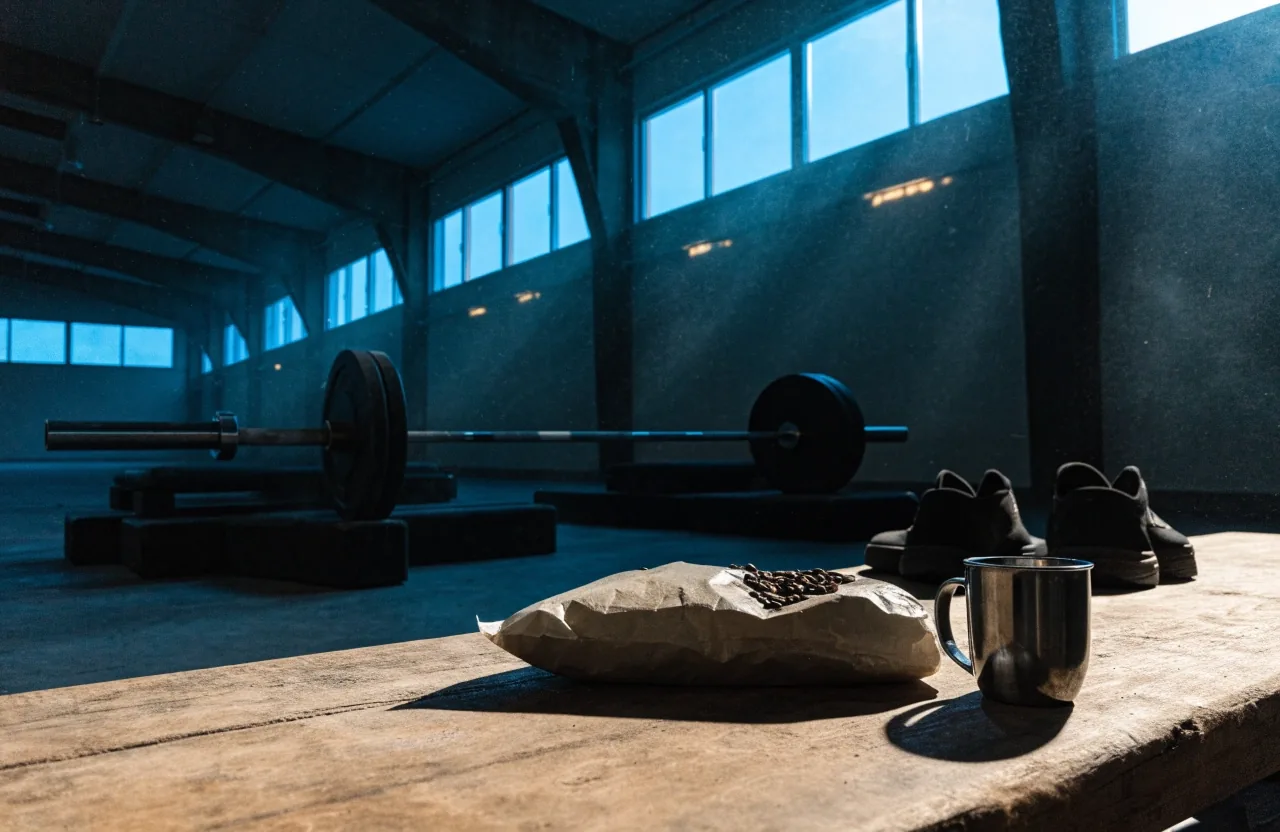
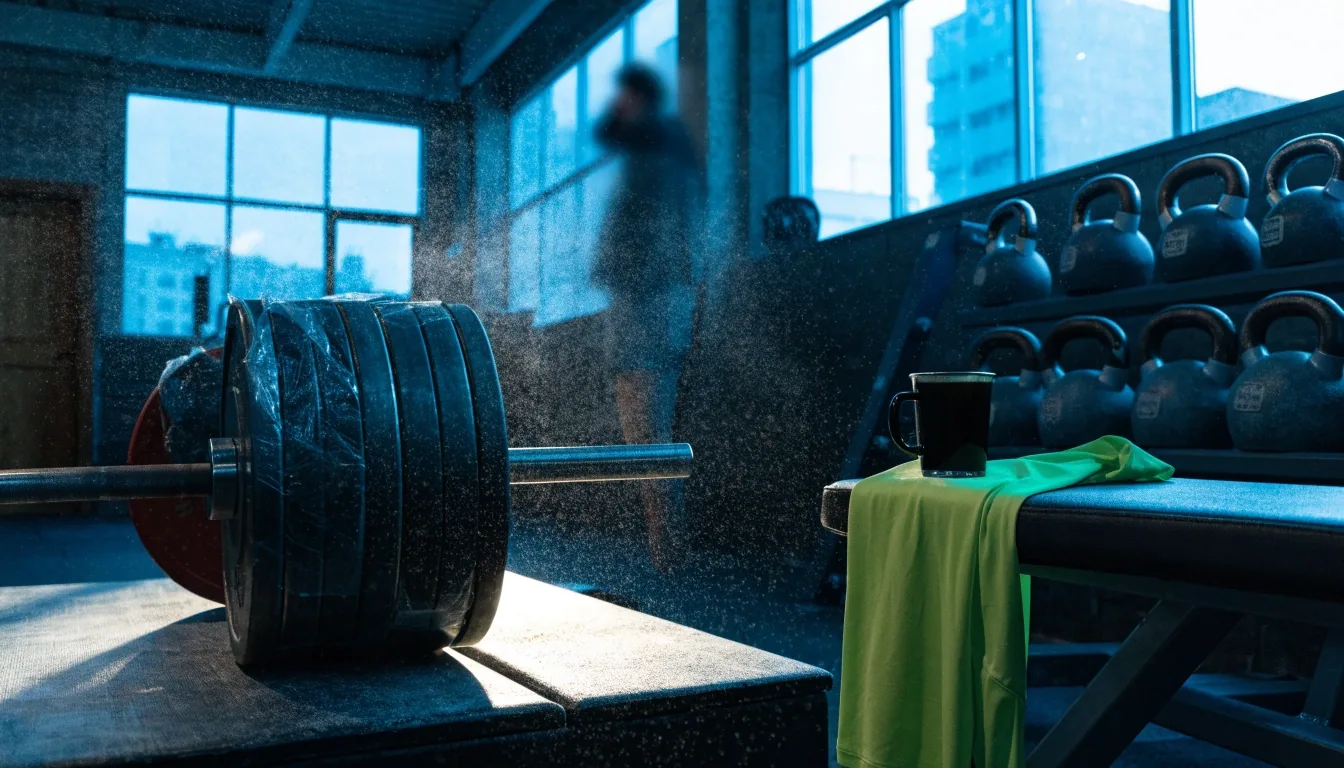
A shirt gets tested fast when it is under a bar four days a week. Seams rub against a belt. Shoulders pull when you press overhead. Shorts ride up during a squat, and leggings catch on a platform.
Our apparel is made for those specific friction points: breathable fabrics, stretch where you need range of motion, and cuts that do not fight your setup. Nothing here is designed to look good only in a mirror. It is designed to still be wearable after a month of real training.
Shop apparelBuy the piece you will actually wear most. For most people that is a training shirt or a pair of shorts, not a full matching set. Check the fit notes, since lifting apparel often runs differently from street clothing, especially around the chest and thighs. If you are between sizes and you train in a belt, size up.
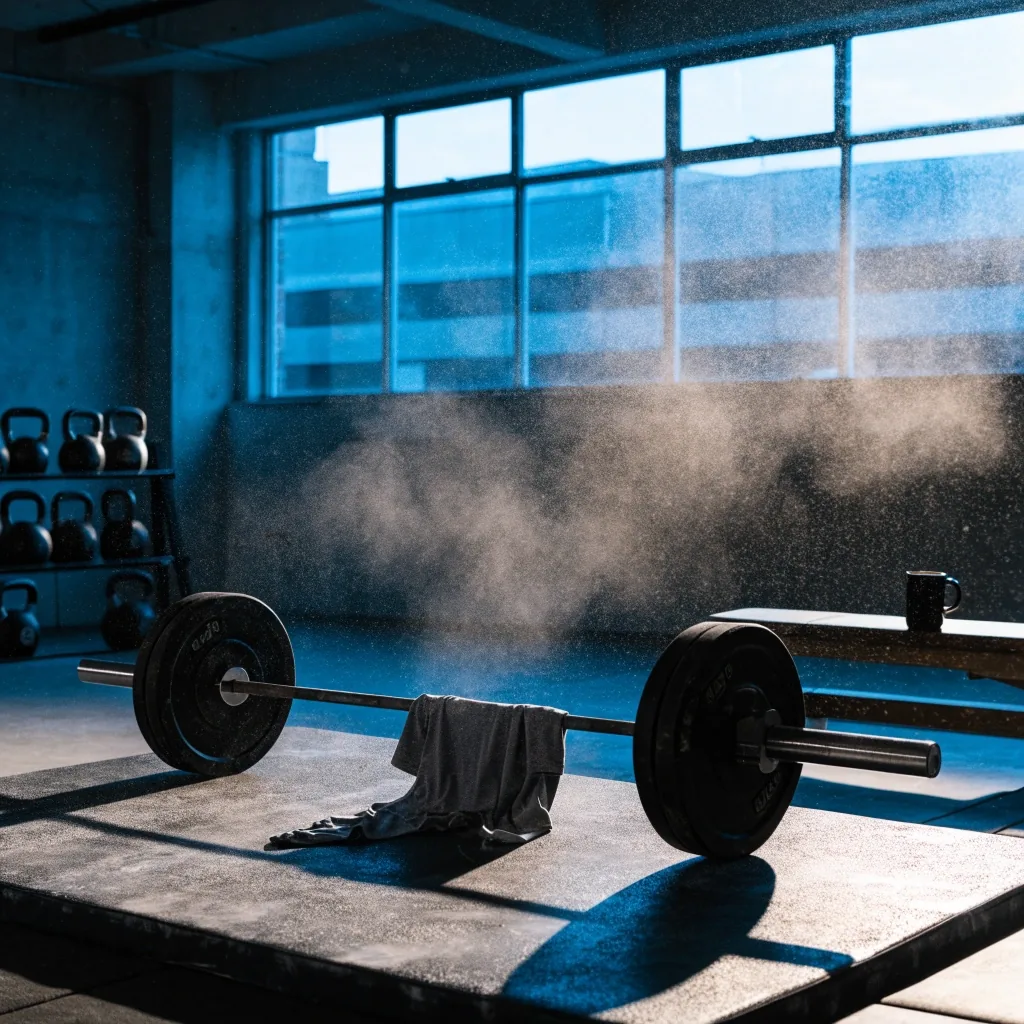
Moisture-wicking, reinforced seams
Runs close at the chest
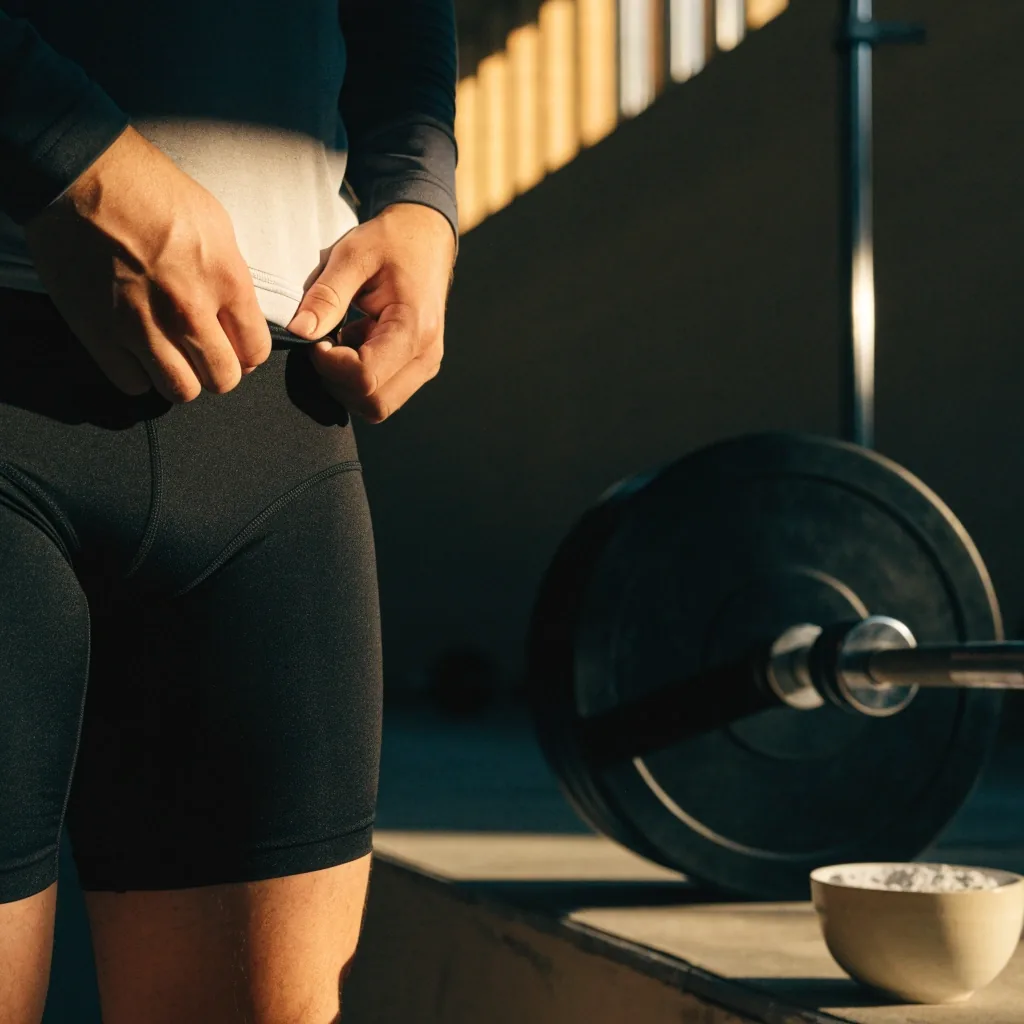
Four-way stretch, no ride-up cut
True to waist measure
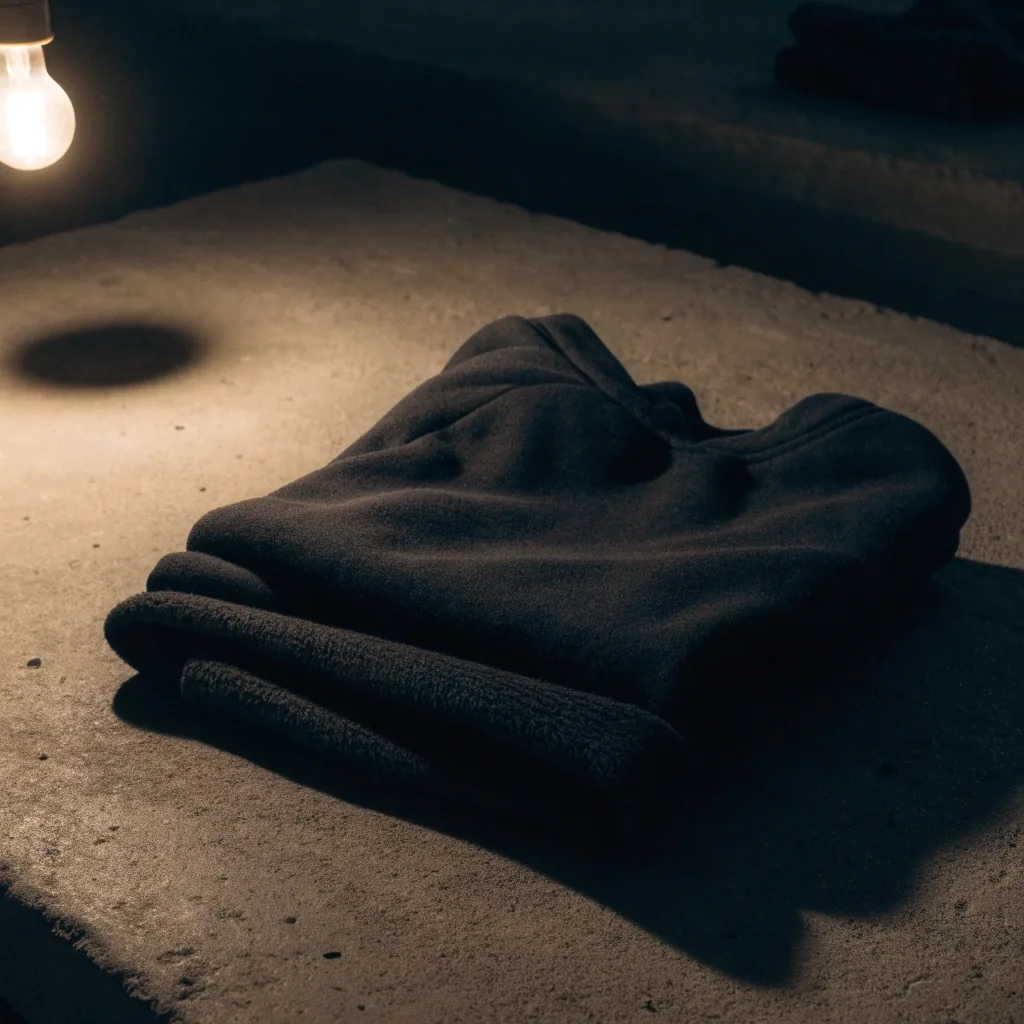
Heavyweight fleece, roomy shoulder
Size up over a belt
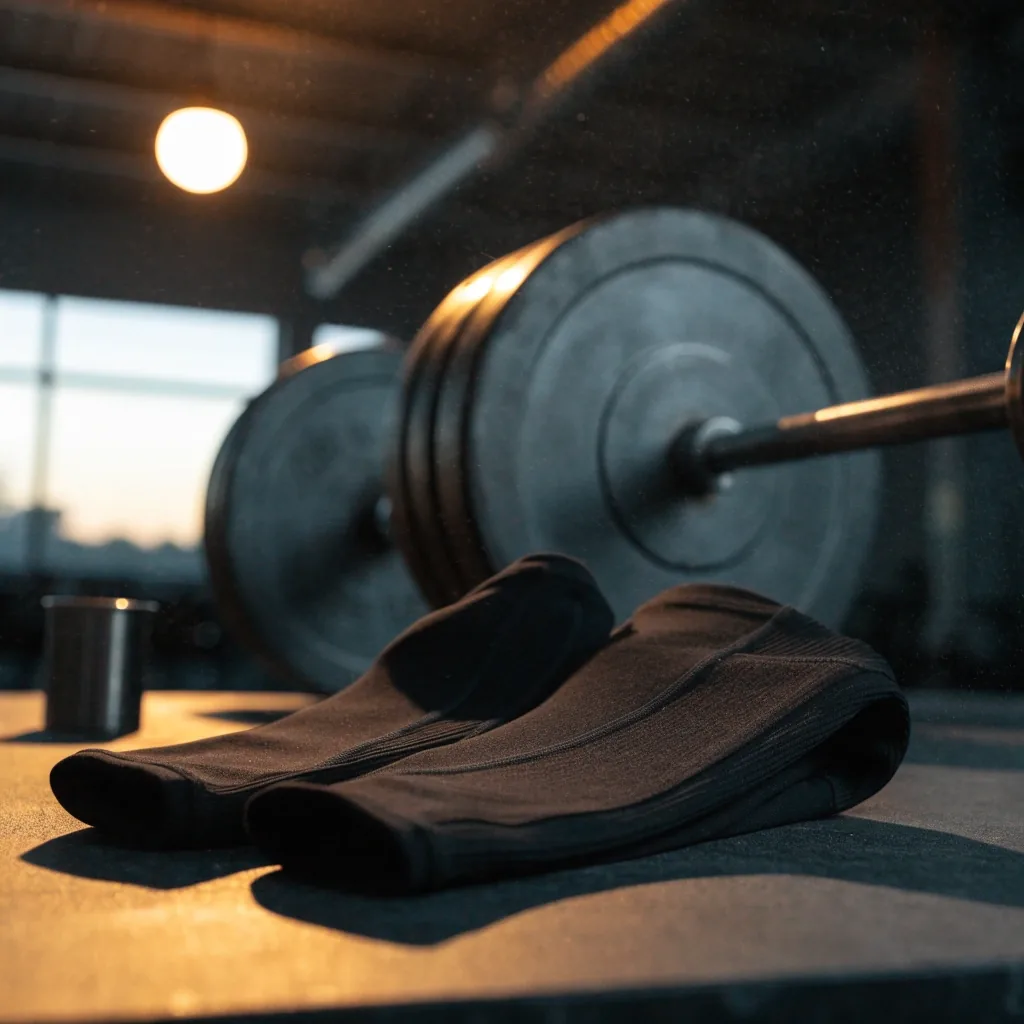
Squat-proof, platform-ready
Check thigh measure first
Built for lifters, not for a trend cycle.
Olympic lifting, powerlifting and weekly barbell work put different demands on what you wear
A lot of gymwear looks the part and falls apart in a month. The difference usually comes down to a few concrete things. You can spot it by feel, and you can spot it again three months in.
Stitching
Reinforcement at the stress points: shoulder seams, side seams, and anywhere a belt or a bar drags against fabric.
Fabric
It should wick instead of holding sweat, and it should still hold its shape after a washing machine cycle with chalk dust in the drum.
Cut
A cut that follows how a body moves under load. A shirt that pulls at the shoulder during an overhead press will not last long in your rotation, no matter how it fits in the mirror.
Shoes
Weightlifting shoes and training sneakers are not the same thing. A raised heel and a firm platform change your ankle angle and give you a stable base; a general trainer will not.
Weightlifting clothes earn their place through repeated sessions. If a piece cannot handle a deadlift session, chalk and a washing machine, it does not belong in the catalog. Our training resources page goes deeper on shoes, belts and fabric care if you want the longer version.
Read training resources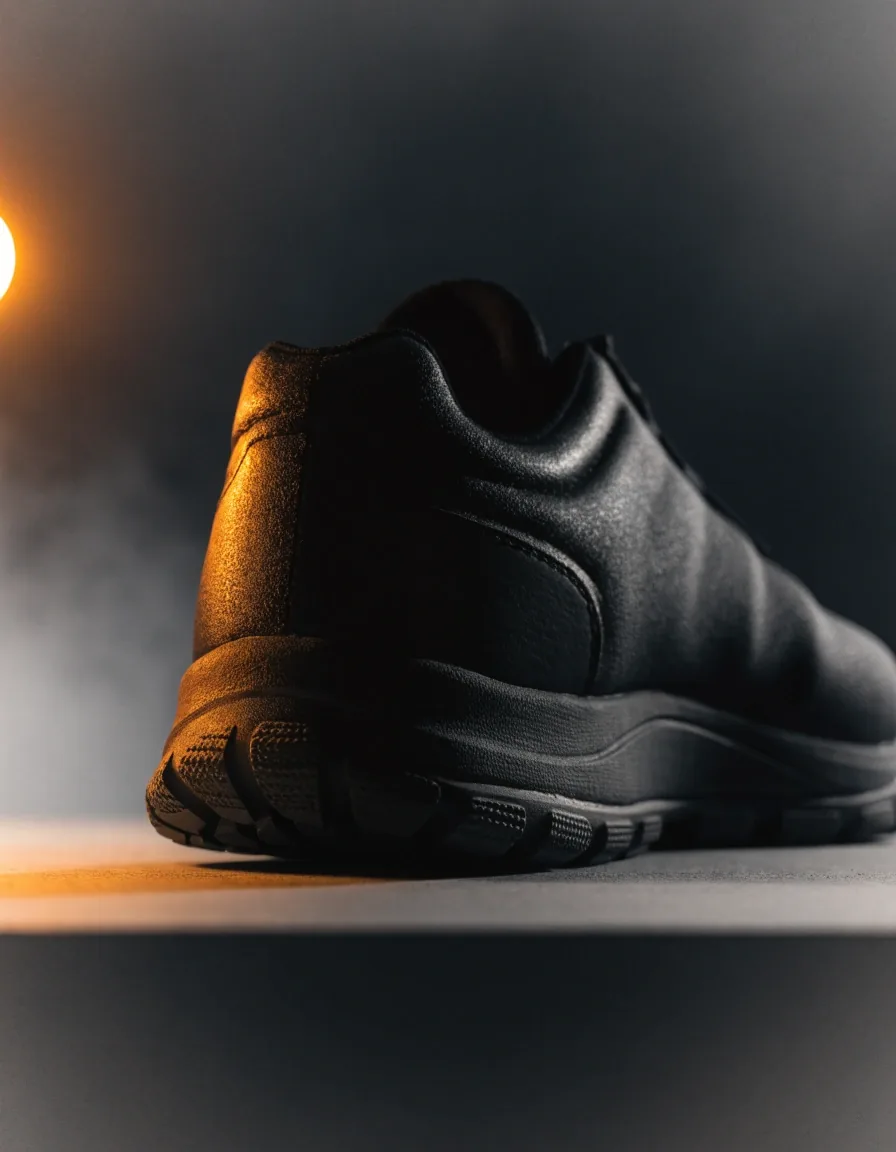
If you are new to the gym, our apparel works as a first real training kit. If you have been lifting for years, you already know what fails, and you can judge whether our cuts and fabrics make sense for your routine. Either way, the point is the same: a coffee habit and a training habit that reinforce each other. Some people drink the coffee first thing. Some drink it after a session. Both are fine. We are not here to tell you when to drink it.
You will notice we do not promise results. We do not tell you a cup of coffee will add weight to your total, and we do not tell you a shirt will change your training. What we can tell you is what is in the product and how it is made. The rest is your work, and that is the part that actually moves the needle. We would rather be honest about that than sell you a story.
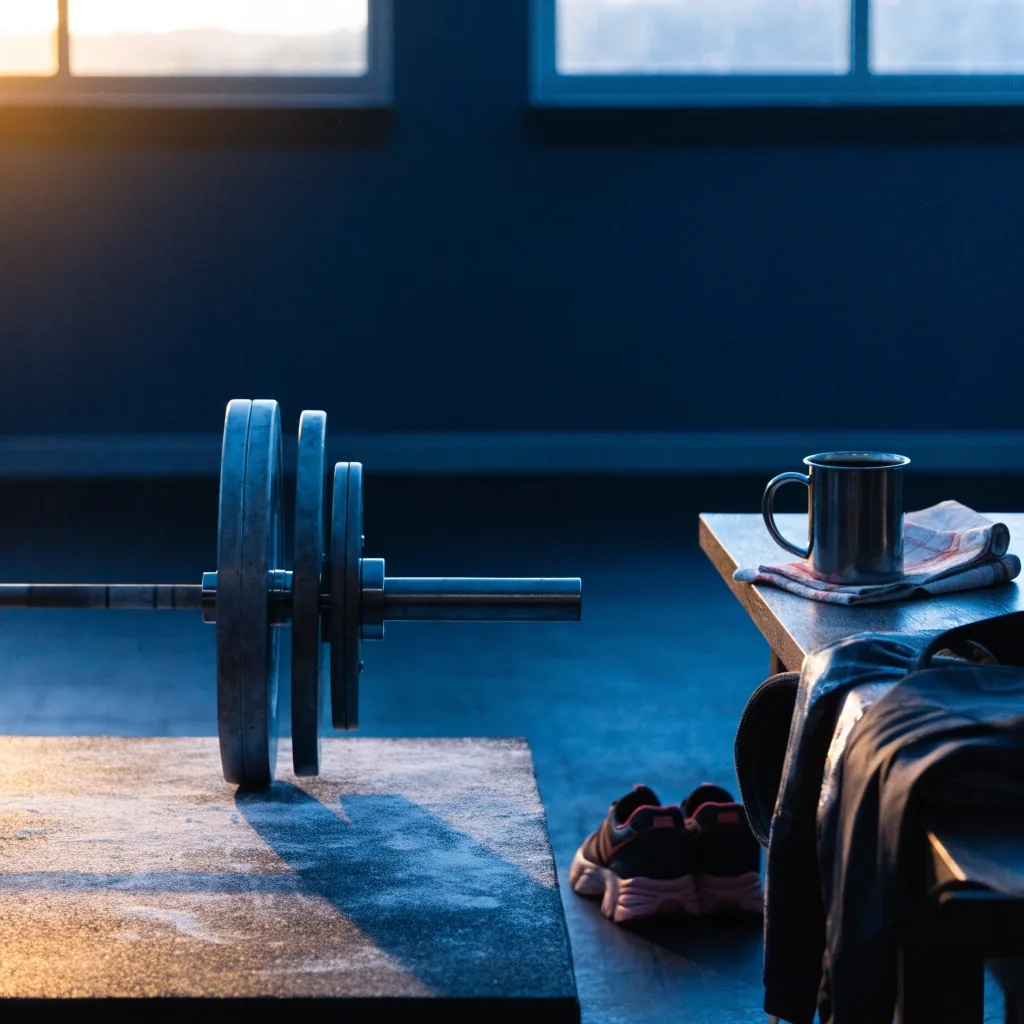
Coffee and gear meet at the same moment: you, in the gym, on a schedule you set for yourself. Coffee is the part before. Apparel is the part during. Neither one is complicated, and neither one needs to be. What matters is that both hold up when you use them the way they are meant to be used.
Both. Coffee and apparel are the two product lines, and they are built around the same audience: people who train with weights and drink coffee as part of their routine.
It is coffee, not a supplement. Many customers drink it before training, but we do not make performance claims about it. What it does for your focus is something you will judge for yourself.
Check the fit notes on the apparel page. Lifting apparel often runs differently from street clothing around the chest, shoulders and thighs. If you train in a belt, sizing up is usually the safer call.
Yes. Gyms and coffee programs can reach out through the contact page and we will follow up with details.
Questions about an order, a roast or a fit? We read everything that comes in. If something about a product is not clear on the page, tell us and we will fix it. Wholesale inquiries for gyms and coffee programs go through the same place.
Visit or call
1420 S Main St, Los Angeles, CA 90015, United States
+995 579 153 064 [email protected]Hours
Monday to Friday 7:00 AM – 6:00 PM
Saturday 8:00 AM – 4:00 PM
Sunday closed
Before you order
Fit notes sit on every apparel page, roast options are explained on the coffee page, and sizing questions are answered before you commit. If a detail is missing, the contact page reaches us directly.
Caffeine and Kilos — coffee and lifting apparel for strength athletes